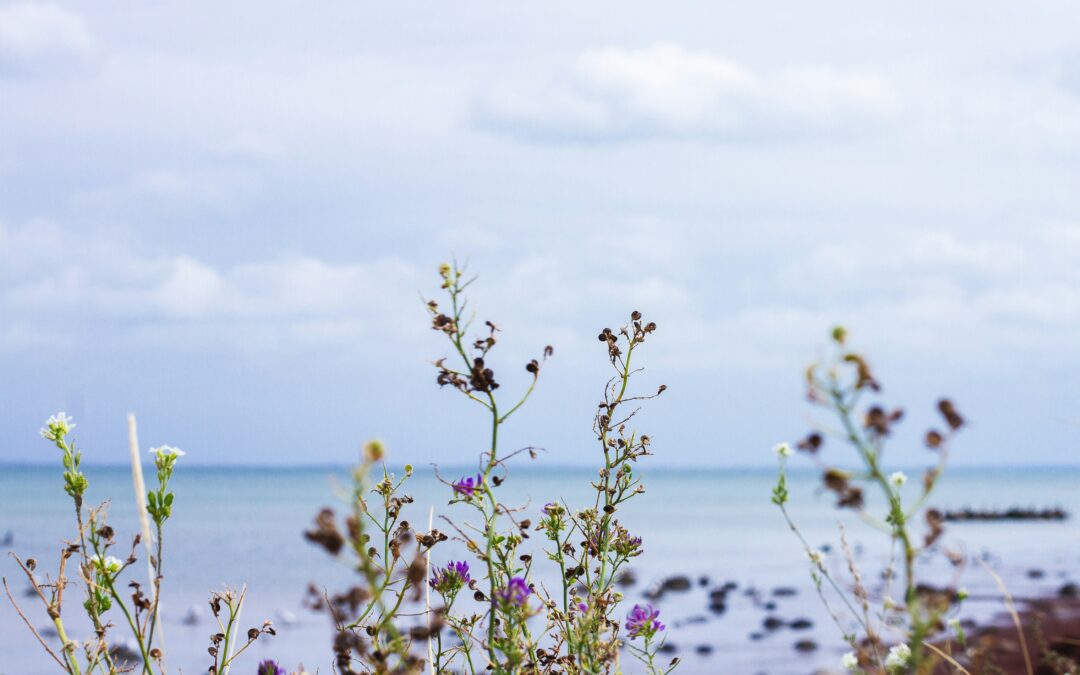
Refugia, as a biological concept, are places in nature that survive
and even grow amid severe “disturbance.”
Resilience: the hardiness to withstand difficulties and to recover quickly.
Resilience Hubs are an exciting unifying concept that is emerging in the climate movement and also bubbling up in our own Creation Justice Movement meetings and conversations.
Resiliency Hubs are “energy efficient, community-serving places that have the resources and connections needed to support community members both in moments of crisis and in the everyday.” These hubs can make us more resilient and responsive in times of disruption, while also offering connection, belonging, support, and love to our neighbors at all times.
In some aspects, this type of work has been going on within The United Methodist Church for a long time. Many local congregations perform some of these functions whether or not they call themselves “resilience hubs,” and many are networked to provide disaster relief and response through conference disaster response ministries, UMCOR and local emergency management leaders. (Check out this resource that explains how UMCOR supports United Methodist conferences responding to disaster. UMCOR’s Role in UMC Disaster Response).
Expanding beyond providing relief to developing resilience adds elements of energy transition and sustainability while outreach builds community connections even in times when there aren’t disruptions. A few examples:
- Renewable energy upgrades like installing solar not only save money and reduce pollution, they can also provide stable power in a disaster.
- Community gardens make church lands more sustainable, while offering healthy food and friendly relationships to their neighbors.
- Programming in faith communities builds caring relationships and a sense of belonging. Studies have shown that one of the leading indicators of community resilience is social cohesion. Social cohesion is a network of relationships that create a sense of belonging, build upon shared values, reduce community disparities, and increase community cooperation after a disaster.
- Churches that become Resilience Hubs have the potential to become more connected with their neighborhoods, thus becoming more vital and relevant.
A good first step for a church that is interested in investing in this type of infrastructure is to connect with your conference disaster response ministries and local emergency management leaders to get a better understanding of what is already working and where needs exist while exploring options for incorporating sustainability and resilience in existing programming.
We’ve collected resources about Resilience Hubs on this page to encourage more congregations to get involved in this important ministry area.
- Start by reading through some of the information linked below.
- Contact your Conference Disaster Response Coordinator and your conference United Methodist Volunteers in Mission to learn about their ministries. Share your church’s interest in serving your community as a resilience hub. Get their perspectives on what services currently exist in your community (if any) and how your church’s efforts can contribute to an increase in resilience in your region.
- Create a team or bring this idea to an existing group in your congregation. (This might be a perfect next step for an established green team in partnership with your outreach committee.)
- Join a Community of Practice to learn together with other organizations developing their own Resilience Hubs. (A good place to start is with the affiliate IPL in your area.)
- Reach out to other institutions in your community that are working on resilience. Find the local chapter of National Voluntary Organizations Active in Disaster (NVOAD). These groups provide local coordination of non-profit organizations offering services in emergency situations. Learn what services are already available and what gaps your church might be able to fill.
Resilience Hub Resources
See also:
August 2026 Movement Cafe
August 2026 Newsletter
April 2025 Movement Cafe
March 2025 Newsletter.
What is a Resilience Hub? Learn more about the what, why and how of Resilience Hubs from the Urban Sustainability Directors Network, the group that first launched this idea. You might start with this video series.
Center for Climate and Energy Solutions (C2ES) has developed a Resilience Hub Toolkit.
See also this Resilience Hub Toolkit, from Community Resilience Organizations
Another good resource for this work is Footprint Project. Here are some articles from their work with United Methodist churches in New Orleans.
- From USA Today: the Story of FirstGrace
- From AP on community lighthouse
- New Orleans United Methodist Churches Shine as Beacons of Hope After Hurricane Francine
- The Community Lighthouse Initiative at First Grace UMC
Green the Church has a vision of developing 2000 Resilience Hubs among Black churches.
Many Interfaith Power and Light State Affiliates are developing this concept for faith communities, offering support and creating “communities of practice.” Check with the IPL nearest you to ask what they are working on. Here are a few we are aware of:
- Minnesota IPL: Resilience Hubs, Climate Community Resilience Network
- California IPL: Resilience Hubs
- Moving from Resilience to Restoration – A Documentary People’s Justice Council/Alabama IPL
- What We Breathe Matters: Faith and the Cost of Coal in Iowa. Iowa IPL 3 week study
Creation Justice Ministries created a series on Faithful Resilience and developed resources on the concept for Earth Day, as well. See also: Faithful Resilience Study Guide, Weathering the Storm, and Church and Climate Resilience workshops on their YouTube channel.
One Home One Future has compiled a long list of faith-based Disaster Preparedness Resources.
Rebuild by Design: Faith Ready: Climate Adaptation Toolkit
Debra Rienstra’s book, Refugia Faith, and her Refugia Newsletter have inspired many to think more deeply about how faith communities can provide sanctuary and refuge in destabilizing times. The book makes a great study for Sunday school and events, as well as for a book club. And you can watch a discussion with Debra offered by Creation Justice Ministries here: Refugia and Resilience: Sanctuaries Webinar. As a biological concept, “refugia” are places in nature that survive and even grow amid severe “disturbance.”
The BTS Center has also been inspired by the concept of refugia and cultivates spaces that build resilience and connection in the midst of uncertainty.
See also the UM Creation Justice Movement July 2023 Newsletter and July 2023 Café. Both offered resources for disaster response and preparedness.
Send information about any additional resources to umcreationjustice@gmail.com
so we can add them to this collection.