
January Movement Café
January 18th 2023
10am PT / 11am MT / 12pm CT / 1pm ET
Sponsored by the United Methodist Creation Justice Movement, the informal, virtual space of the Café facilitates conversation, connection, and community focused on creation care and justice issues.

Speaker
Rev. Richenda Fairhurst
has served UMC churches in Oregon and Washington state. She chairs the Creation Justice Committee for Ecumenical Ministries of Oregon, and Oregon Interfaith Power and Light, and cofounded the nonprofit Circle Faith Future.
Speaker
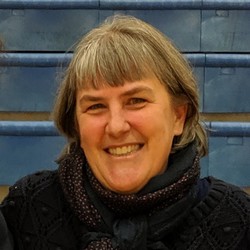
Cathy Velasquez Eberhart
is a commissioned UM Earthkeeper and has worked in communities of faith addressing creation justice and climate change in different roles, including on the board of Minnesota Interfaith Power and Light. Cathy helps convenes the grassroots effort that is the United Methodist Creation Justice Movement, and will co-facilitate and share this Wednesday.
Speaker
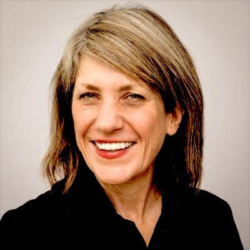
Dawn Lewis
splits her time between the southwest and the southeastern U.S. A longtime United Methodist with a passion for creation, she has experience in small groups and with organizations that seek good in the world and lends her expertise
to the effort.
Introduction and Launch
Couldn’t make it? Here’s what happened.
Our first Movement Café kicked off with an overview of why the Café was created and a look at all the programs and opportunities for involvement in the UM Creation Justice Movement. Participants from across the country were treated to presentations by various UM program leaders. The Reverend Richenda Faircloth, co-organizer of Faiths4Future and the Climate Café Multifaith led the discussion and Dawn Lewis, creation care advocate, helped coordinate the Café.
UMCJ’s Communications Team leader, Cathy Velasquez Eberhart, provided the background and mission of the Creation Justice Movement. She noted that The United Methodist Church has a rich tradition of affirming creation justice, but recently as the impacts of climate change are felt, there is more of a sense of urgency. This sentiment led to the birth of the UM Creation Justice Movement.
Eberhart noted that the Movement’s primary role is to connect United Methodists in all corners of the country who participate in various roles across the church, including United Women of Faith, Global Ministries, seminaries, local church laypersons and clergy—in order to share resources and broaden the impact. Emerging from the Movement are focused work teams, including the State and Federal Policy and Advocacy Team, Engaging the Local Church Team, Annual Conference Organizing Team, Communications Team, Coordinating Team, Vocational Incubator Team, Climate Finance Team, and the Eco-Worship Team.
Eberhart leads the Communications Team. Understanding that communication is vital to informing and connecting, this team creates and maintains a website (umcreationjustice.org), sends out a monthly newsletter with updates, events, informational articles, and resources, and also provides ten Creation Justice Tips each month with practical ways to practice sustainability in everyday actions. The Tips are made to be shared by recipients in their circles of influence, especially in church newsletters.
Karen McElfish of the Annual Conference Organizing Team talked about the work they do in strengthening annual conference teams in the area of creation care. The team provides resources, shares practices, and drafted a set of model resolutions for annual conferences.
Rev. Paul Slentz of the Policy and Advocacy Team spoke about this group’s work. The team divides into two subteams, one focused on federal legislation, and the other on state and local advocacy. The impetus is the importance of shaping public policy because as Rev. Slentz noted, “a lot of harm comes to creation and a lot of good in protecting creation is a result of what public policies are in place.” The group monitors and advocates for legislation, and this past year worked hard advocating for the Inflation Reduction Act. They will continue to advocate for the law and push to ensure that those of lower incomes will benefit from its opportunities. He noted that the law provides incentives to churches and nonprofits to weatherize and bolster their energy efficiency practices.
Rev. Pat Watkins and Bob Downs of the Engaging Local Church Team spoke about the work they are doing to encourage creation care and justice efforts at the local level. Rev. Watkins talked about the importance of convincing United Methodists that creation care is “part and parcel of what it means to be a disciple of Jesus Christ.” Downs noted that the team developed and presented a 10-hour course, “Loving People and the Planet in God’s Name,” which is now an official advanced training course for Lay Servant Ministries. The newly published Leader Guide for the course is available from Discipleship Ministries and can be used in local, district, and conference settings to help engage people in environmental stewardship from an understanding of creation care in the Wesleyan tradition.
Cathy Velasquez Eberhart provided a brief overview of some of the newer working teams. The Worship Working Group is providing sermon starters, liturgy, music, and other resources for pastors and worship leaders to build their eco-worship capacity. The other two new teams are the Vocational Incubator Working Group and the Climate Finance Working Group.
She also noted that another way to get involved is to become an EarthKeeper. The General Board of Global Ministries offers EarthKeeper training and support. The Reverend Jonathan Brake leads this program and will present at the February Movement Café.
The Café participants went into breakout rooms to learn more about the teams. If interested in participating with any of these teams, you can find more information here: umcreationjustice.org/creation-justice-working-teams.